How to Integrate Benefits Education into Onboarding: A Practical Guide for HR Leaders
The first few weeks of employment shape how new hires view their employer, their role, and the benefits available to them. Yet many organizations underestimate the importance of a structured benefits communication strategy during onboarding. When employees receive complex benefits information without a clear explanation, confusion can lead to missed enrollment opportunities, poor plan choices, or underutilized coverage.
Effectively communicating benefits to employees begins during onboarding. When benefits education is integrated into the onboarding experience, employees gain confidence in their options and are more likely to engage with their health, financial, and wellness programs.
For HR teams, the goal is not simply to present benefits information; it is to ensure employees understand how their coverage works and how to make informed decisions. A
well-designed benefits onboarding process creates clarity, improves participation, and strengthens the value employees perceive in their benefits package.

Why Benefits Education is Critical in Onboarding
Benefits are often the second-largest investment an organization makes after payroll. However, employees frequently struggle to understand plan differences, provider networks, deductibles, and contribution structures.
Without strong employee
benefits education, new hires may feel overwhelmed by enrollment deadlines and unfamiliar terminology. As a result, they may delay enrollment, select plans that do not fit their needs, or overlook valuable voluntary benefits.
Integrating benefits education into new hire benefits onboarding offers several advantages:
- Employees understand their coverage options from the start
- HR teams reduce confusion and repeated administrative questions
- Participation rates improve across benefits programs
- Employees perceive greater value in their total compensation package
When
organizations implement a thoughtful benefits communication strategy early in the employee lifecycle, it sets the stage for long-term engagement with available programs.
Key Strategies for Communicating Benefits Effectively
A successful benefits onboarding experience requires more than distributing plan documents or hosting a brief orientation session. Employers must take a structured approach to communicating benefits to employees in ways that are clear, accessible, and easy to understand.
The most effective strategies combine simplified messaging, visual explanations, and consistent communication across multiple channels. These methods ensure employees can absorb information at a comfortable pace while gaining confidence in their enrollment decisions.
Integrate Benefits Education into the Onboarding Timeline
Benefits education should be introduced gradually throughout the onboarding process rather than delivered in a single information-heavy session.
A well-designed timeline might include:
- A pre-start overview introducing new hire benefits and enrollment deadlines
- Benefits orientation during the first week of employment
- Follow-up educational resources before enrollment deadlines
- Reminders and support for employees finalizing their selections
Spreading information across multiple touchpoints helps reinforce understanding and prevents employees from feeling overwhelmed by complex details.
Keep Messaging Clear, Simple, and Free of Complex Jargon
Employee benefits often include terminology that can be confusing for individuals who are unfamiliar with insurance concepts.
To improve employee benefits education, organizations should avoid overly technical language and instead explain concepts in simple, relatable terms. For example:
- Explain deductibles using real-world examples
- Clarify differences between plan types in plain language
- Use short explanations instead of lengthy policy descriptions
A clear benefits communication strategy prioritizes understanding over technical accuracy alone. When employees grasp the basics quickly, they are more likely to make informed enrollment decisions.
Personalize Benefits Education for Different Employee Groups
Not every employee has the same benefits’ priorities. Early-career employees may focus on affordability, while families may prioritize broader provider networks or dependent coverage.
Tailoring benefits onboarding materials to different employee groups can improve engagement and comprehension. Employers can personalize education by providing:
- Examples relevant to employees at different life stages
- Guidance for families, individuals, and remote workers
- Plan comparisons that highlight common decision scenarios
When employees see how benefits apply directly to their situation, they become more confident in their choices.
Break Down Information into Manageable, Actionable Chunks
Presenting all the benefits information at once can overwhelm new hires. Instead, HR teams should structure communicating benefits to employees in smaller, digestible segments.
For example:
- Separate medical, dental, and vision education
- Provide step-by-step enrollment instructions
- Highlight key deadlines and required actions
Breaking content into manageable pieces makes the onboarding experience more approachable while helping employees focus on what matters most.
Use Visual Aids to Simplify Complex Benefits
Benefits information becomes easier to understand when supported by visual explanations. Charts, comparison tables, and infographics can simplify complicated plan structures.
Visual aids can help employees understand:
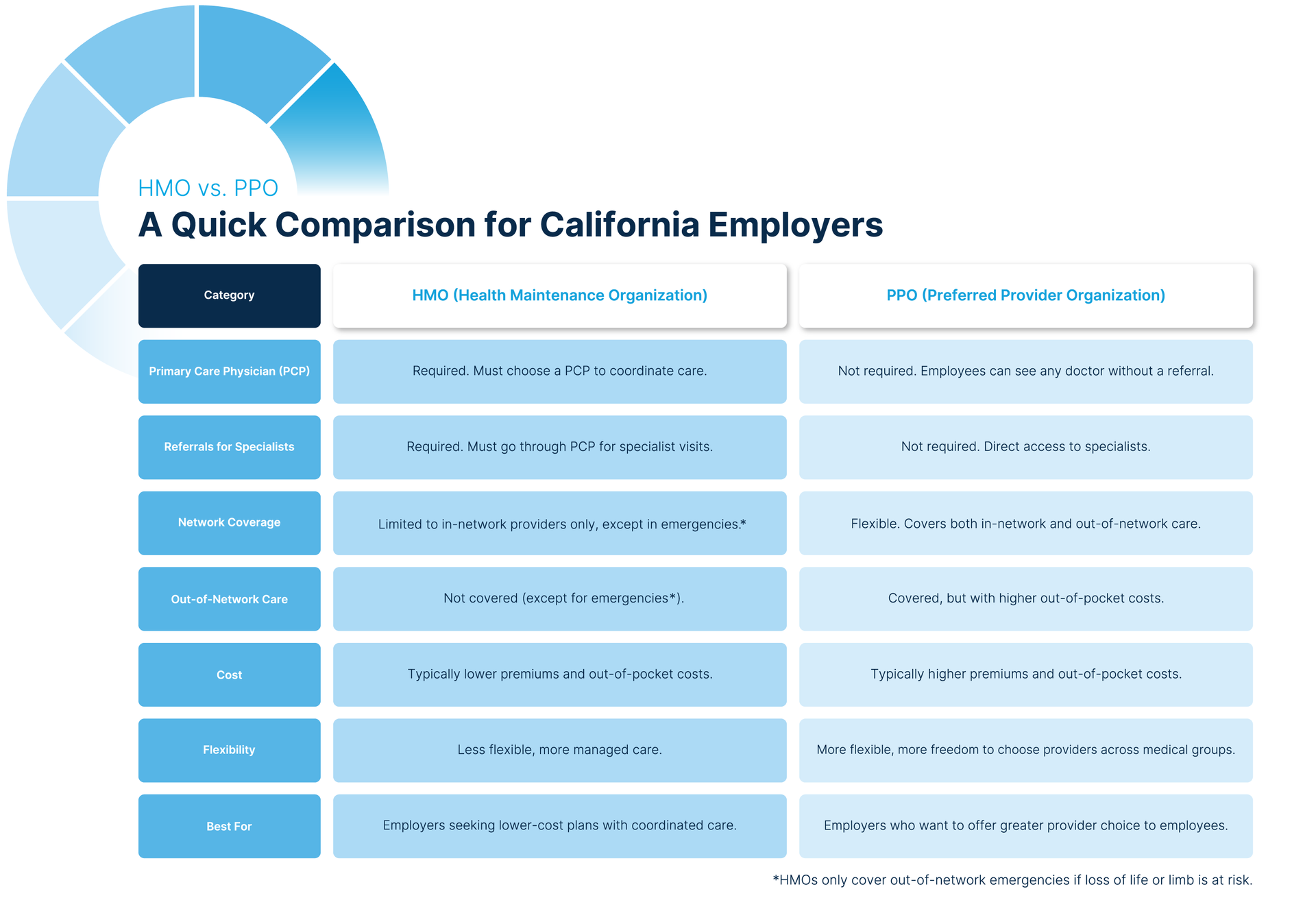
When visual tools are incorporated into employee benefits education, employees can quickly grasp key differences between plans and make confident selections.
Leverage Multiple Channels for Communication
Employees absorb information in different ways. Some prefer
written guides, while others benefit from live discussions or interactive resources.
An effective benefits communication strategy uses a variety of channels, including:
- Live onboarding sessions or webinars
- Recorded benefits presentations
- Digital benefits guides
- HR support for one-on-one questions
Using multiple communication channels ensures that employees can revisit information whenever they need clarification.
Reinforce Messages Consistently and Push Updates Regularly
Benefits education should not end after the onboarding period. Regular reinforcement helps employees remain aware of their options and use their coverage effectively.
Employers can maintain engagement by:
- Sending reminders about wellness programs
- Highlighting preventive care benefits
- Providing updates before open enrollment
Ongoing communication ensures employees continue to understand and utilize their benefits throughout the year.
Common Pitfalls in Benefits Education for New Hires
Even organizations with strong benefits programs can struggle with communication challenges. Common pitfalls include:
- Providing too much information in a single onboarding session
- Relying solely on complex plan documents
- Failing to explain how benefits apply to real-life situations
- Not offering follow-up resources after orientation
These issues often result in confusion, missed deadlines, and reduced participation in available programs.
Best Practices to Improve Benefits Communication Strategy
Organizations looking to improve communicating benefits to employees can benefit from implementing several proven best practices:
- Develop a structured onboarding timeline for benefits education
- Use simple language and real-world examples
- Offer visual plan comparisons and educational resources
- Provide multiple communication channels for learning
- Reinforce benefits messaging throughout the year
When these strategies are implemented effectively, benefits education becomes a valuable part of the employee experience rather than an administrative task.
How AEIS Advisors Can Simplify Benefits Onboarding
Creating an effective benefits communication strategy requires time, expertise, and thoughtful planning. Many organizations rely on experienced advisors to help simplify the process and improve employee engagement with their benefits programs.
AEIS works with organizations to enhance benefits onboarding, providing strategic guidance on employee education, communication planning, and benefits program optimization. Our team helps employers deliver clear, engaging employee benefits education so new hires understand their options and feel confident in their coverage decisions.
By partnering with AEIS, businesses gain access to expert support that helps streamline benefits administration while improving the employee experience during onboarding and beyond.
If your organization is looking to improve how new hire benefits are introduced and explained, AEIS can help you build a benefits education strategy that supports both employees and HR teams.
Disclaimer: Any information related to compliance, laws and regulations, or other subject matters in this blog is intended to be informational and does not constitute legal advice regarding any specific situation. The content of this blog is based on the most up-to-date information that was available on the date it was published and could be subject to change. Should you require further assistance or legal advice, please consult a licensed attorney.